The leaves of Lisbon (traits)
Traits
- C3 photosynthesis
- C4 photosynthesis
- CAM photosynthesis
- deciduous vs evergreen strategy
- leaf senescence
- small leaves vs broad leaves
- wind dispersal of seeds

- C3 photosynthesis
- The most common photosynthetic pathway, in which the first stable product of carbon fixation is a three-carbon compound (3-phosphoglycerate). It is efficient under moderate temperatures, adequate water, and normal atmospheric CO₂ levels but less so under drought or high heat.
Morphology
- Broad leaves with abundant mesophyll cells containing chloroplasts
- Stomata on the leaf underside for gas exchange
- No specialised anatomy for separating initial CO₂ fixation and the Calvin cycle
Phenology
- Spring to summer: high photosynthetic activity under favourable moisture and temperature
- Summer drought: stomata close, reducing carbon uptake and limiting photosynthesis
- Autumn: senescence in deciduous C3 plants; evergreens continue at reduced rates
Examples
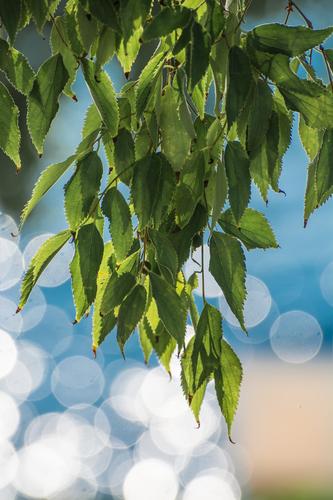
Celtis australis
Nettle tree
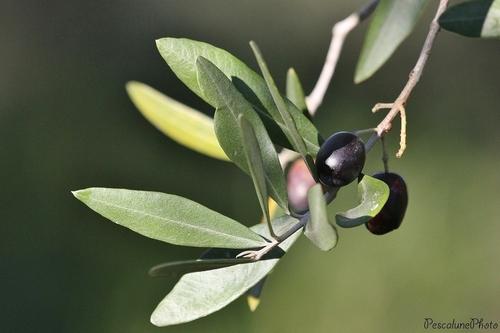
Olea europaea
Olive
- C4 photosynthesis
- A pathway in which carbon dioxide is initially fixed into a four-carbon compound. This adaptation reduces photorespiration and improves water-use efficiency, making C4 plants better suited to high light, high temperature, and low CO₂ conditions.
Morphology
- Leaves with Kranz anatomy: bundle sheath cells encircled by mesophyll cells
- High vein density in leaves
- Stomata may remain partly open in hot, dry conditions due to improved efficiency
Phenology
- Summer: peak activity under intense sunlight and high temperatures
- Can maintain photosynthesis under mild drought stress
- Reduced advantage in cooler or shaded conditions compared to C3 plants
Examples
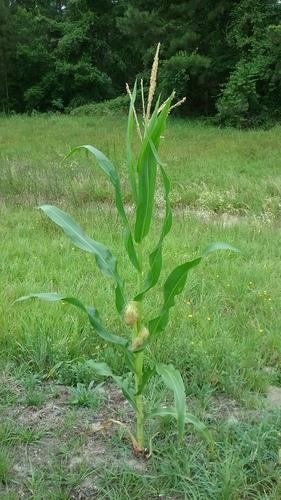
Zea mays
Maize
- CAM photosynthesis
- A photosynthetic pathway in which stomata open at night to take in carbon dioxide, which is stored as organic acids and used for photosynthesis during the day. This adaptation greatly reduces water loss, making CAM (Crassulacean Acid Metabolism) plants well suited to arid environments.
Morphology
- Succulent leaves or stems with large water-storage cells
- Thick cuticles and reduced surface area to limit water loss
- Stomata that open at night and remain closed by day
Phenology
- Night: stomata open, CO₂ fixed and stored as malic acid
- Day: stomata closed, stored CO₂ used in the Calvin cycle
- Year-round photosynthesis in arid conditions, though growth may slow in extreme drought
Examples
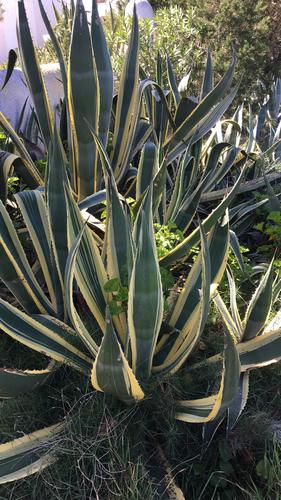
Agave americana
American century plant
- deciduous vs evergreen strategy
- Trees follow two main strategies for leaf retention. Deciduous trees shed their leaves seasonally, often in response to drought or cold, conserving resources during unfavourable conditions. Evergreen trees retain their foliage year-round, replacing leaves gradually and maintaining photosynthesis through varying conditions.
Morphology
- Deciduous: broad, thin leaves adapted for efficient photosynthesis in favourable conditions
- Evergreen: tough, often smaller or needle-like leaves with thick cuticles to reduce water loss
- Leaf scars visible on deciduous species after abscission
- Evergreen foliage often longer-lived, persisting for several years
Phenology
- Deciduous: leaf flush in spring; photosynthesis and growth in summer; senescence and leaf fall in autumn; dormancy in winter or drought
- Evergreen: continuous, though slower, photosynthesis year-round; gradual replacement of older leaves
Examples
Celtis australis
Nettle tree
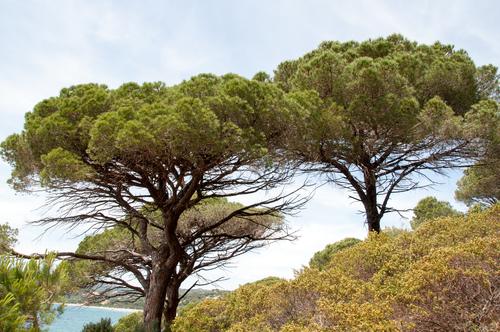
Pinus pinea
Stone pine
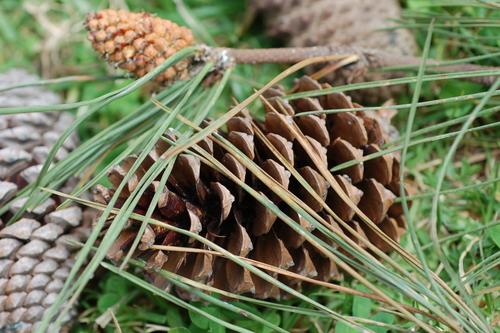
Pinus pinaster
maritime pine
- leaf senescence
- The final stage in the life cycle of a leaf, marked by the breakdown of chlorophyll, nutrient withdrawal by the plant, and eventual abscission. It is a controlled process that allows the tree to recycle valuable resources before leaves die and fall.
Morphology
- Yellowing or reddening of leaves due to breakdown of chlorophyll and increased visibility of carotenoids and anthocyanins
- Formation of an abscission layer at the base of the petiole
- Leaf veins often remain green longer than the lamina
- Eventual separation leaving a small scar on the twig
Phenology
- Late summer to autumn: chlorophyll degrades, revealing autumnal colours
- Nutrients are mobilised from leaves into stems and roots
- Abscission layer develops, leading to leaf fall
- Dormancy of the plant continues until favourable conditions return
Examples
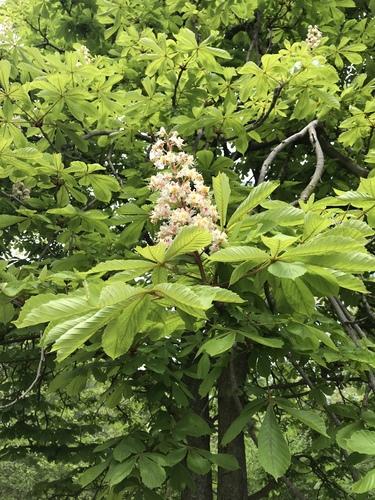
Aesculus hippocastanum
horse-chestnut
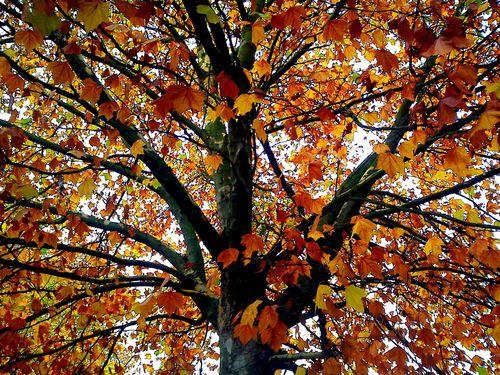
Platanus
planes
- small leaves vs broad leaves
- Leaf size and form influence photosynthetic capacity, water use, and adaptation to climate. Small leaves such as pine needles minimise water loss and withstand extreme conditions but photosynthesise more slowly. Broad leaves maximise light capture and carbon uptake but lose water more rapidly and are often shed seasonally.
Morphology
- Small leaves/needles: narrow, thick, with reduced surface area and sunken stomata
- Broad leaves: large lamina with high surface area for efficient light capture
- Needles often evergreen with thick cuticles
- Broad leaves often thin, deciduous, and adapted for rapid photosynthesis
Phenology
- Small leaves: retained year-round in evergreens; replaced gradually
- Broad leaves: seasonal growth and abscission in response to climate (summer drought or winter cold)
Examples
Pinus pinea
Stone pine
Aesculus hippocastanum
horse-chestnut
- wind dispersal of seeds
- A seed dispersal strategy in which seeds or fruits are adapted to be carried by air currents. Structures such as wings, hairs, or lightweight bodies increase buoyancy and distance of dispersal, enabling colonisation beyond the parent tree’s immediate surroundings.
Morphology
- Seeds or fruits often lightweight relative to size
- Presence of wings (samaras) or plumes (pappus) to increase air resistance
- Clustering of fruits in heads or spheres that break apart gradually
- Dry, non-fleshy fruits that do not rely on animal attraction
Phenology
- Late summer to autumn: fruits mature and dry out, becoming lighter
- Autumn: seed release often coincides with seasonal winds and leaf fall
- Winter: seeds remain dormant or settle in soil
- Spring: germination occurs when temperature and moisture are favourable
Examples
Platanus
planes